THIS POST MAY CONTAIN AFFILIATE LINKS.
We build our homes to be sanctuaries—little hideaways from the loud world outside. But then, life rushes in. Shoes pile by the door, sticky spots linger on the tile, and counters disappear under the weight of the day.
We don’t always notice it at first, but that outer mess slowly turns into inner noise. It’s hard to heal in a space that feels like it’s constantly asking for more of us.
Minimalist home wellness isn’t about following a rigid aesthetic or a sterile style. It’s about responding to a quiet need we feel when our rooms grow loud and our nervous systems stay on edge.
By simplifying what surrounds us, we create a landscape where we can finally breathe, rest, and mend—without the pressure of perfection.
If your home has felt heavy or overstimulating lately, these slow, mindful home habits can help guide us back to balance, one small, intentional step at a time.
Why Our Homes Affect How We Feel (More Than We Realize)
We don’t always connect our surroundings to our inner state—but our nervous system does. It’s constantly scanning for cues of safety or strain. When a space feels crowded, unfinished, or visually loud, the body stays subtly alert. Not panicked—just never fully at rest.
Over time, this low-grade tension shows up quietly. We feel more tired than we should. More irritable. Less patient with ourselves. It becomes harder to focus, to unwind, to feel settled in our own skin.
This isn’t about blaming your home. Most of us weren’t taught how to create spaces that support rest—we were taught to make them functional, full, or impressive. Minimalist home wellness simply asks a different question: Does this space help me feel held, or does it ask something from me every time I walk through it?
7 Gentle Home Habits That Bring Quiet Back Into Your Space
The habits below aren’t about doing more. They’re about removing what keeps the body from settling—slowly, gently, and without pressure.
1. Start With One Calm Corner
Don’t overwhelm yourself by tackling the whole house. Begin with one small, visible space — maybe your bedside table, your coffee nook, or your work desk.
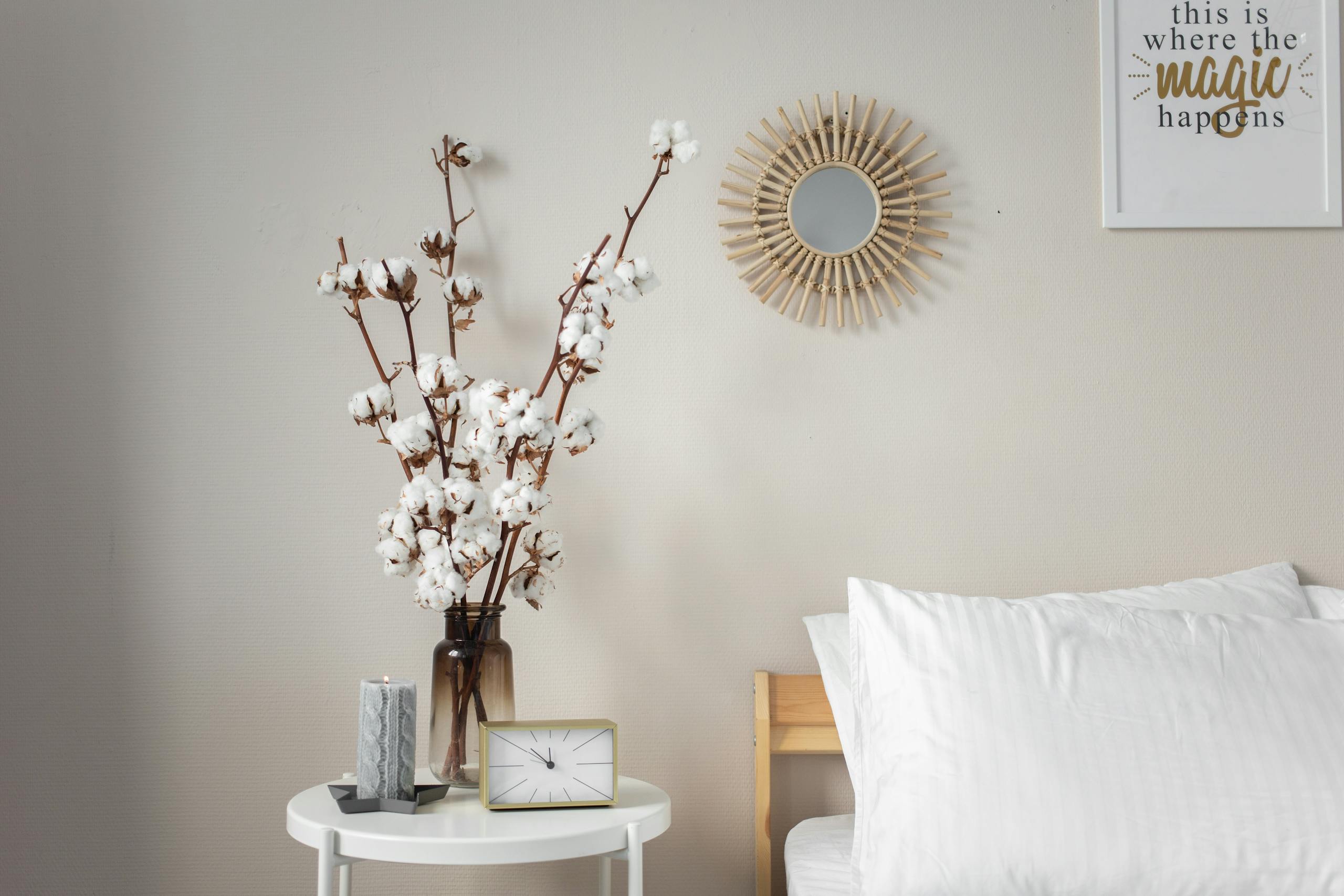
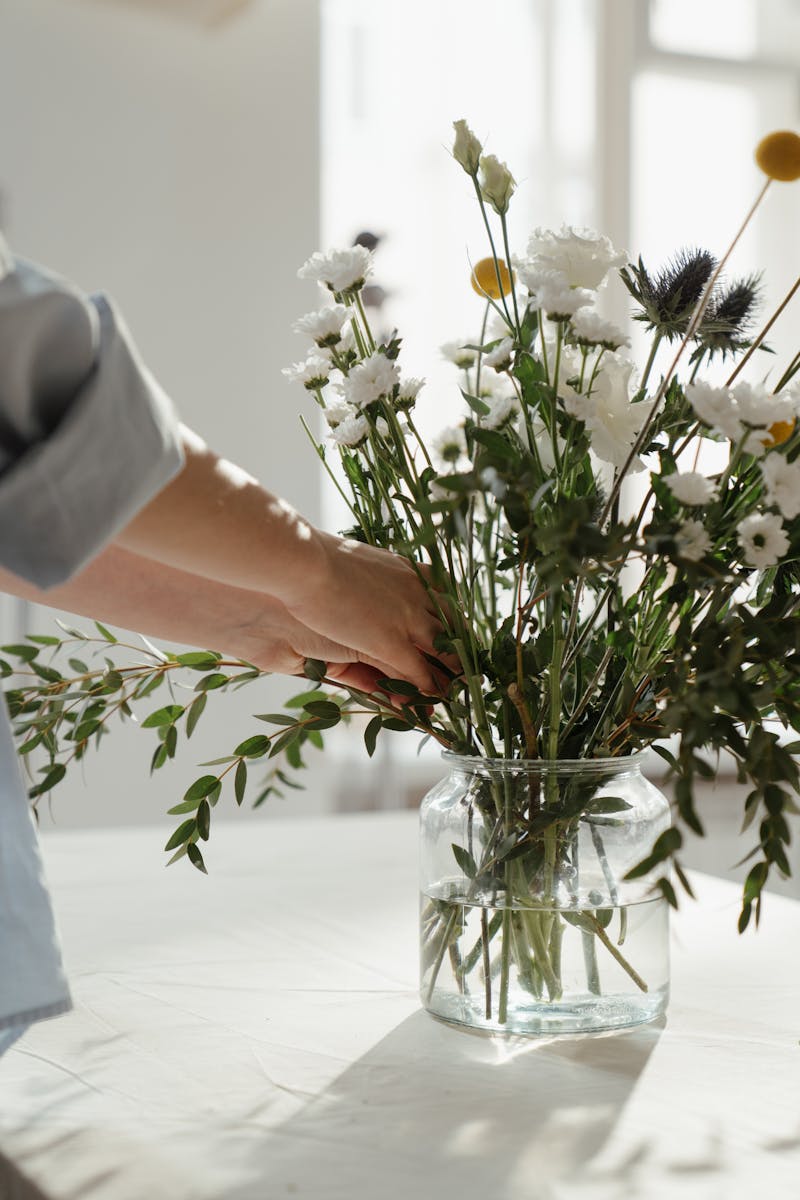
Clear everything except what soothes your senses: a lamp, a favorite book, and perhaps a small vase with your favorite flower or a framed photo that makes you smile.
And if the laundry mountain is calling your name, start small — separate the colored and white ones, then wash just one basket for now. The rest can wait for another day. Remember, it doesn’t all have to be done at once. Calm grows in small, mindful steps.
Every time you walk past this space, pause and breathe. Let that clear spot remind you that simplicity is enough. Peace starts in small corners — and it gently expands.
2. Practice the “One In, One Out” Habit
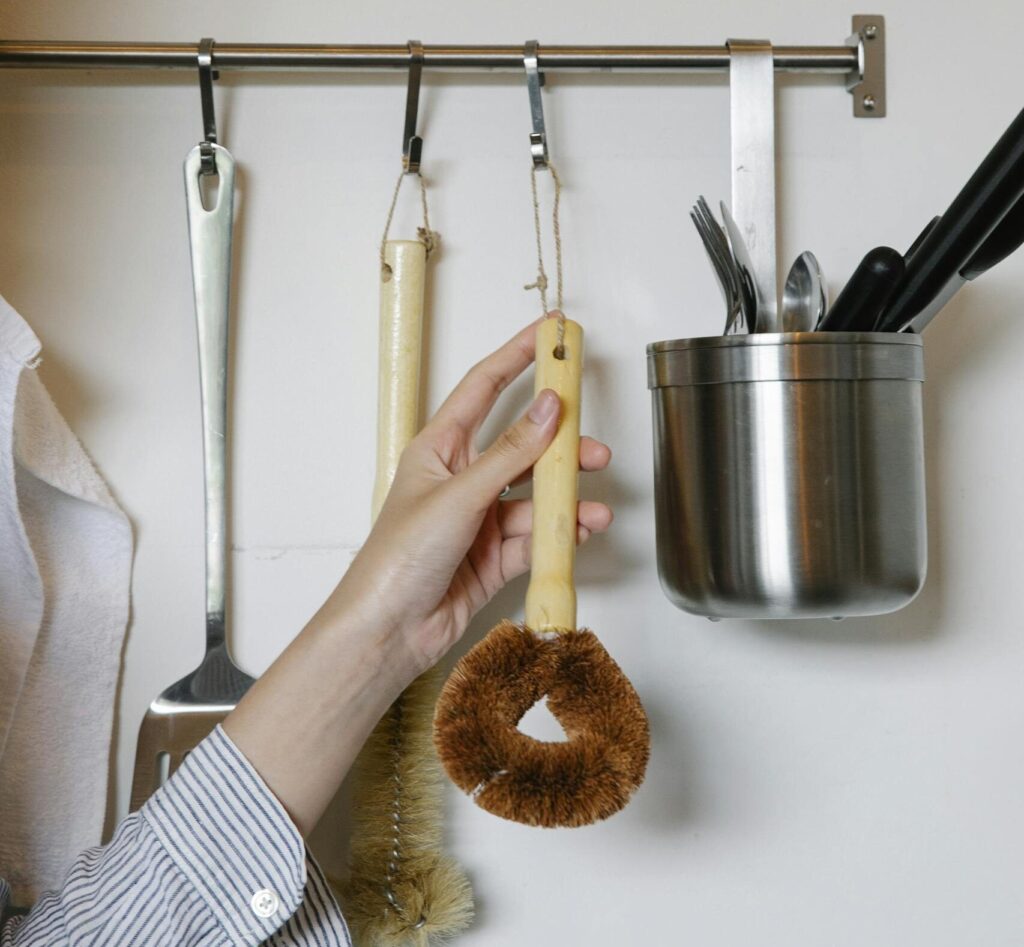
Whenever you bring something new into your home — a kitchen utensil, a throw pillow, or a fresh tablecloth — let one old or unused item go. If your spatula broke, replace it and release the broken one. If you just bought a new mug, gift or donate one you rarely use.
This slow-living mindful home habit keeps clutter from building up again and encourages gratitude for what you already have. Each mindful swap creates more breathing room for calm.
3. Embrace Peaceful Routines Instead of Perfect Ones
Your home doesn’t need a perfect morning routine — it needs a peaceful rhythm. Maybe that means standing by your window with your cup of coffee or tea, whispering a short prayer of gratitude:
“Thank You for this new day.
For the light that fills this home,
For the quiet moments that remind me — I am safe, I am enough.”
That one slow, intentional breath calms your nervous system, and that’s where healing begins. Gentle consistency beats perfect routines every time.
☕ If you’d love to explore more gentle rituals like this, you can read Boost Energy Naturally: 3 Morning Rituals To Reclaim Your Day — where I share how a mindful sip of coffee (with a wellness blend) became a peaceful self-care moment.
4. Let Nature In
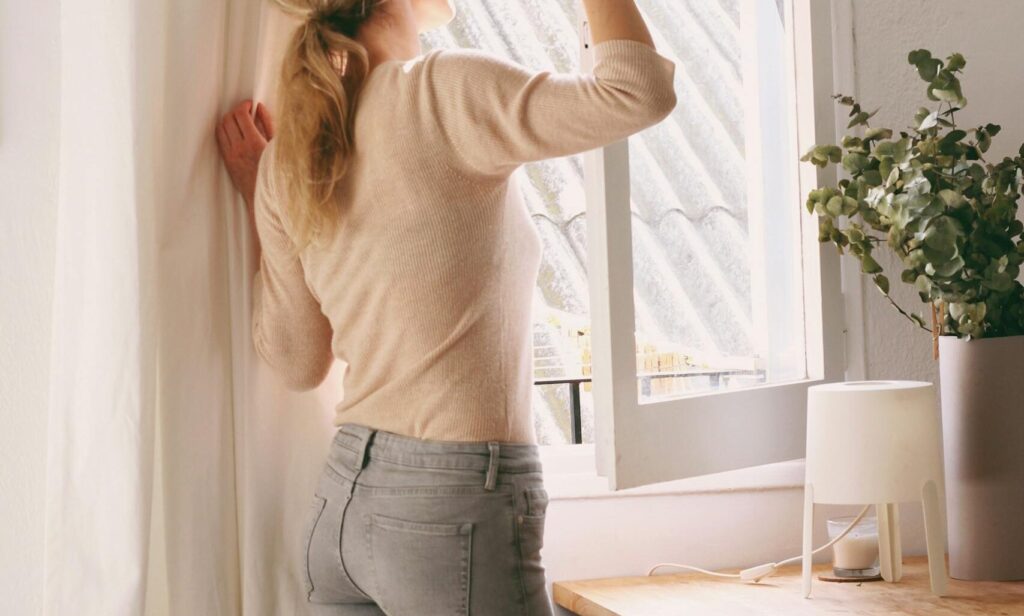
Nature quietly heals our nervous system — and even a small touch of it indoors can help reduce stress.
💡 According to Mind: “How nature benefits mental health”, even small touches of greenery at home — like a potted plant near your reading nook — can ease anxiety and help regulate emotions.
- Place a peace lily or snake plant in your living area — both are known to purify air and symbolize renewal.
- Keep a window slightly open when you can, or let sunlight pour into the room.
- You might also bring in natural textures: linen curtains, wooden bowls, or clay pots that remind you of earth’s quiet rhythm.
Nature doesn’t just decorate your home — it heals it.
5. Declutter for Peace, Not Perfection
When you tidy your home, focus less on “having less” and more on “feeling calm.”
A true calming home supports your energy — not drains it.
Here’s a simple way to start:
- Keep often-used items (your daily mug, keys, favorite towel) within easy reach.
- Store rarely used items on higher shelves or tucked safely away.
- When in doubt, ask: Does this make me feel calm or crowded?
Let your body’s quiet answer guide you — not the internet’s idea of minimalism. You deserve a home that feels like an exhale.
6. Create a Wellness Space — Even If It’s Just a Chair

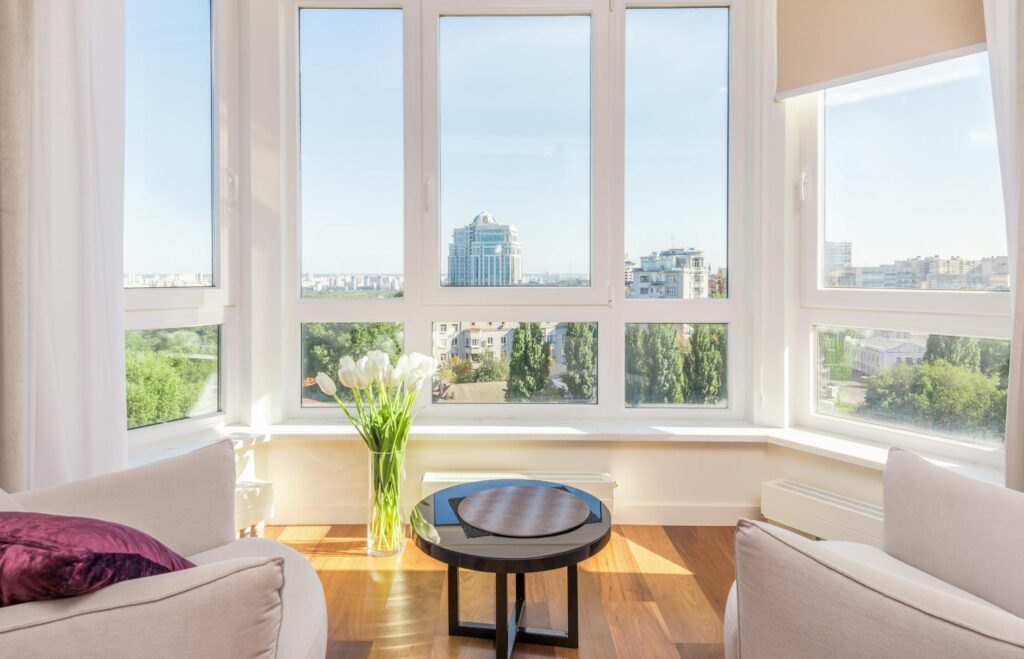
You don’t need a yoga room or meditation corner. Choose one cozy spot — maybe a corner chair by the window — and make it your personal wellness space.
Add a small basket beside it with things that ground you:
- Your favorite book or journal
- A prayer book or Bible
- A calming cup of tea or coffee with a wellness blend
- A soft throw blanket
Let this space be your mini retreat — where you pause for deep breaths, reflection, or prayer when the house feels noisy. It’s not the size of the space — it’s the intention that fills it.
7. Protect Your Quiet
Calm doesn’t come from silence alone — it comes from intentional quiet mindful home habits.
Try lowering the TV volume, softening your phone’s ringtone, or even choosing a notification tone that feels gentle, not jarring. You might dim your lights during dinner, light a candle, and let your family ease into the evening rhythm with calm conversation.
When your environment softens, so does your nervous system. Your home mirrors your inner calm — protect both gently.
This Isn’t About a Perfect Home
Minimalist home wellness isn’t about empty rooms or strict rules. It’s not about getting rid of things you love, or living in a space that feels bare and impersonal.
It’s about intention. It’s about noticing which items support your daily rhythms—and which quietly drain you. Which corners invite rest. Which ones create friction. Which habits help you reset, and which keep you in a constant state of catching up.
Your home can still be full. It can still be lived-in. It can still carry memories and meaning. The goal isn’t less for the sake of less—it’s enough for the season you’re in.
And that “enough” will change over time. That’s part of the gentleness.
The Science Behind Minimalist Home Wellness
Minimalist living isn’t just aesthetic — it’s physiologically calming.
💡 Research from Princeton University found that visual clutter competes for our brain’s attention, reducing focus and increasing stress. In contrast, environments with open space and lower sensory input allow the brain to rest, improving mood and productivity.
💡 Similarly, a study published in Personality and Social Psychology Bulletin discovered that women who described their homes as “cluttered” had higher levels of cortisol — the body’s main stress hormone.
By simplifying your home with peaceful routines, you’re also supporting nervous system calm, lowering stress, and helping your mind associate your surroundings with peace, not pressure.
Minimalist home wellness is a gentle, science-backed path toward inner balance.
A Softer Way Forward
You don’t need to overhaul your home to feel better within it. You don’t need a free weekend, a shopping list, or a strict system. Healing rarely asks for that kind of effort.
It usually begins with noticing.
Noticing the drawer that makes you sigh every time you open it.
Noticing the room where your body finally relaxes.
Noticing how different the day feels when the space around you feels calm enough to land in.
Minimalist home wellness is less about the home itself and more about how we want to live inside our days. Slower. Lighter. More supported. More at ease.
If you choose one habit from this list and return to it gently—without pressure—it’s enough. Small changes done with care tend to ripple outward in quiet, lasting ways.
And often, the home follows. 💗
✨ If you enjoyed this reflection, you’ll love my previous post 7 Gentle Ways to Calm Your Nervous System Naturally — a heartfelt guide on how to restore inner calm through simple, restorative habits.
💌 Sign up below to receive simple, calming rituals for your everyday life.
Find Calm, One Gentle Step at a Time
Subscribe to the Eliora Hearth Letter — soulful self-care notes and wellness tips sent with warmth.
As a thank-you, your Gentle Self-Care Starter Guide will be waiting in your inbox.